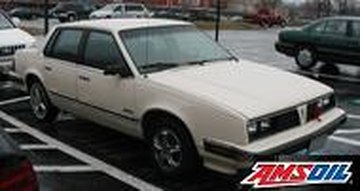
Maintenance and Lubrication for the 1982 Pontiac 6000 4.3L Diesel
Owning a diesel-powered vehicle from the early 1980s requires a specific approach to routine service and component monitoring. The 1982 Pontiac 6000 equipped with the 4.3L diesel engine relies on precise lubrication and consistent maintenance to ensure long-term operational stability. Because diesel engines operate under different thermal and mechanical stresses than their gasoline counterparts, staying attentive to fluid conditions and physical inspections is a fundamental part of ownership.
Monitoring Fluid Integrity and Condition
One of the most effective ways to monitor the health of the 4.3L diesel engine is through regular observation of its lubricants. Rather than relying solely on scheduled intervals, an owner can gain significant insight by checking the physical state of the oil during routine inspections. Changes in the appearance or consistency of the lubricant can be early indicators that require further investigation.
When performing a check, look for any unusual discoloration or a change in texture. While some level of darkening is expected in diesel applications due to the nature of combustion, extreme changes may warrant a closer look at the engine's operating state. Additionally, if you notice any unexpected consumption of oil between service intervals, it is important to investigate the cause. Such symptoms can be associated with various factors, ranging from simple evaporation to more complex sealing issues, and should not be ignored.
It is also useful to observe the area around the engine for any signs of seepage. Inspecting the surfaces where gaskets and seals meet can help identify if any fluids are migrating from their intended pathways. Detecting a small amount of seepage early can prevent more significant issues later, making regular visual checks a highly effective preventive measure.
Practical Inspection Priorities for Aging Engines
As vehicles age, the materials used in various systems—such as rubber hoses and electrical connections—may undergo changes due to heat cycles and time. For a 1982 Pontiac 6000, prioritizing inspections based on the current condition of these components is often more effective than following a generic age-based replacement schedule.
If equipped, inspect accessible drive belts for signs of wear, such as cracking, glazing, or fraying. Similarly, if hoses are present and accessible, check them for any evidence of softening, hardening, or swelling. Maintaining the integrity of these components helps ensure that the engine's peripheral systems function as intended without unexpected interruptions.
Electrical connections and wiring also merit attention. Over time, connectors can become brittle or develop corrosion, which may affect the performance of various sensors or ignition-related components if applicable. A clean and secure electrical environment is essential for the reliable operation of a diesel engine's management systems. By focusing on these tangible signs of wear, an owner can make informed decisions about which parts require attention and which are still performing adequately.
Managing Maintenance Records and Service History
For long-term ownership of a 1982 Pontiac 6000, establishing a clear maintenance baseline is invaluable. If you have recently acquired the vehicle and do not have access to its previous service history, your first priority should be to document its current state through thorough inspections and fluid analysis. This creates a "starting point" from which you can track any future changes in performance or condition.
Keeping detailed records of every oil change, filter replacement, and mechanical repair provides several benefits:
- Trend Identification: You can more easily notice if oil consumption is increasing or if a specific component is requiring more frequent attention.
- Informed Decision Making: Having a history of what has been replaced allows you to distinguish between a new issue and a recurring one.
- Resale Value: A well-documented service history demonstrates a commitment to the vehicle's upkeep, which is often appreciated by future owners.
When records are incomplete, do not feel pressured to replace parts that appear to be in good condition. Instead, use your observations to prioritize tasks. Addressing active leaks or addressing overdue maintenance identified during your initial baseline inspection should always take precedence over speculative repairs.
Observing Potential Operational Changes
A proactive owner stays tuned into the "feedback" the vehicle provides during operation. While many mechanical issues do not present themselves immediately, certain symptoms can serve as prompts for a more detailed inspection. For example, an unusual noise or a change in how the engine idles may indicate that something requires investigation.
If you notice any changes in exhaust characteristics, such as unexpected smoke, this should be investigated to determine if it is related to combustion efficiency or lubrication. It is important to remember that symptoms like these can have multiple causes; a single observation does not automatically point to one specific failed component. Instead, treat these signs as indicators that the engine's current operating parameters may need to be reviewed by a professional or through more intensive personal inspection.
Effective Strategies for Long-Term Reliability
Maintaining a diesel engine like the 4.3L in this Pontiac requires a shift from reactive repairs to proactive monitoring. Rather than waiting for a component to fail, focus on the condition of the fluids and the integrity of the engine's seals and connections. This approach allows you to address minor issues before they escalate into more significant mechanical concerns.
Distinguishing between preventive maintenance and unnecessary parts replacement is key to efficient ownership. If a component, such as a belt or a hose, shows no signs of deterioration upon inspection, there is often no immediate need for replacement based on age alone. However, if you notice that the engine requires more frequent fluid top-offs or if you see evidence of previous neglect, your maintenance priorities should shift toward stabilizing those areas first.
Buying Engine Oil for the 1982 Pontiac 6000 4.3L
When it is time to replenish your engine's lubrication, the most critical step is ensuring that the product you select matches the specific requirements of your diesel engine. Because different formulations offer different properties—such as varying levels of additive packages for seal conditioning or improved thermal stability—you must be precise in your selection.
To ensure proper protection and performance, match the engine oil to the application-specific viscosity information already displayed on this page. Do not rely on general automotive knowledge or assumptions based on the vehicle's age to determine the correct grade. Always check the product labeling carefully to confirm that the oil meets the necessary standards for your specific 4.3L diesel application. Whether you choose a conventional, synthetic blend, or full synthetic formulation, the primary requirement is that it aligns with the technical specifications provided in the application information above.